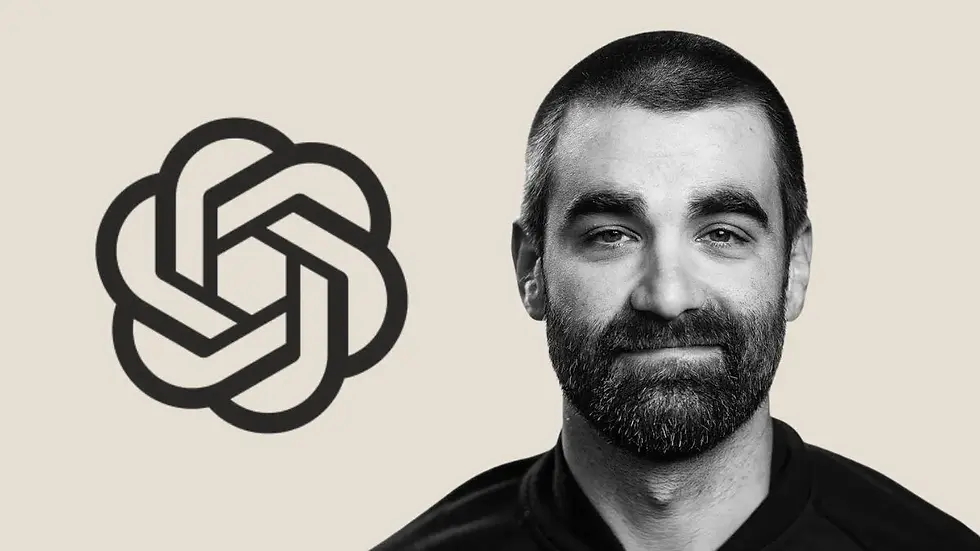
OpenAI Gets Creative: Michael Tabtabai Appointed as First Global VP of Creative.

So, here’s the scoop: OpenAI just named Michael Tabtabai as their first-ever Global Vice President of Creative. If you’re scratching your head, wondering why that’s important, let me break it down for you. Tabtabai is a top-tier creative mind, having worked with major players like Coinbase and Google. Now, he’s stepping in to help OpenAI shape its brand and storytelling in ways that go beyond just the tech side of things.
Here’s the thing: OpenAI is known for being at the cutting edge of AI, but with Tabtabai on board, they’re about to take a leap into the world of creative marketing. Instead of just showcasing their technical innovations, they’re now focusing on connecting with people through compelling stories and visuals that make AI feel a lot more relatable. Tabtabai’s background in crafting powerful campaigns means he’s the perfect fit for this new direction.
In this post, we’re going to dive into who Michael Tabtabai is, why his role at OpenAI is such a big deal, and what this could mean for the future of AI storytelling and marketing. If you’re into AI or branding (or both), this is one appointment you’ll want to keep an eye on. Let’s get into it!
Who Is Michael Tabtabai?
Okay, so let’s talk about Michael Tabtabai. He’s the guy who just got hired as OpenAI’s first-ever Global VP of Creative, and trust me, this guy’s got some serious street cred. Before jumping over to OpenAI, he was doing some wild things at Google and Coinbase. At Google, he was all over the brand side, helping shape ads that didn’t just sell stuff—they told stories. If you’ve seen any Google ads that made you stop scrolling and actually think, that’s him.
But it’s really his work at Coinbase that’s been making waves. One of his most memorable campaigns there was “Crypto Isn’t For You… Until It Is”. Yeah, it’s a bold statement, right? But that was the point. Tabtabai’s all about taking things that seem complicated and making them feel approachable—and, honestly, he’s pretty great at it.
What makes him stand out in the creative world is how he blends tech and creativity. Like, AI and creativity aren’t always a natural fit, but Tabtabai’s whole thing is making complex ideas feel simple and human. So, now that he’s at OpenAI, it feels like the perfect storm. This guy knows how to bring a fresh, creative perspective to tech—exactly what OpenAI needs as it tries to make AI more relatable and, honestly, cooler to the average person.
Why OpenAI’s Creative Strategy Matters
So, let’s break this down. We all know OpenAI as the cutting-edge tech company that brought us things like GPT-3 and DALL·E. They’ve got the brains, right? But now, with Michael Tabtabai stepping in as the first-ever Global VP of Creative, things are about to get a whole lot more… interesting.
Here’s the thing—AI has been all about the tech. Sure, it can do amazing things, but it’s also kind of been a bit… well, impersonal. A little robotic, if you will. But with Tabtabai, OpenAI is making a statement that they’re not just here to flex their technical muscles—they want to bring some creativity into the mix. And by creativity, I don’t just mean designing cool visuals or writing clever taglines. I mean storytelling, emotional connections, and experiences that resonate with people.
Think about it: we’re used to seeing AI as this tool that helps us with our jobs, or maybe entertains us a little on the side. But what if AI could actually connect with us on a human level? What if it could tell stories that make us feel something? That’s exactly where Tabtabai’s expertise comes in. With his experience in marketing and creative leadership, he’s the perfect person to bring AI into the world of emotional storytelling, where it’s not just about being smart—it’s about feeling right.
This is huge because, for the first time, OpenAI isn’t just focusing on making AI smarter—they’re focusing on making it relatable. They want to make AI feel more like a partner, not just a program. And honestly, that’s a game-changer.
The Role of Creativity in AI Development
So here’s the thing: we’ve always seen AI as this super smart tool that helps with tasks, makes decisions, and crunches numbers. But what if AI could do something more—what if it could actually create?
This is where Michael Tabtabai comes in. He’s not just here to make AI smarter; he’s here to make it more human. The goal is to bring creativity into the mix, not just technical stuff. Imagine AI helping brands tell better stories, create more personal experiences, or even design things that speak to people in a real way.
Right now, AI can already understand patterns and figure out what people like. But Tabtabai wants to take that a step further. Instead of AI just doing tasks, he wants it to help make things that people actually connect with emotionally. Whether it’s ads, content, or even customer experiences, AI’s potential to be creative is huge.
And that’s where the shift happens. AI’s not just a problem-solver anymore. It’s becoming a creative partner. Tabtabai’s idea is to use AI in a way that helps brands connect with people, not just push products. It’s about using tech to tell stories that actually matter.
What This Means for OpenAI and the Future of AI Marketing
So, here’s the deal: OpenAI’s already known for being tech geniuses, right? But with Michael Tabtabai coming in to lead the creative side, it’s about to get way more interesting.
Basically, Tabtabai is going to help take AI from just being this super smart, “problem-solving” tool to something that feels more... well, real. AI can do a lot, but it doesn’t always feel human. Now, with Tabtabai’s background in creativity, AI’s not just going to be solving problems; it’s going to help brands tell better stories and actually connect with people. And that’s huge.
For OpenAI, this move is basically them saying, “We don’t just do tech; we get people, too.” They’re not just focusing on how smart their AI is—they’re focusing on how that AI can be relatable, like something that actually speaks to you. This shift will totally change the game for how people view OpenAI. It’s not just a tech company anymore. It’s one that’s using AI to help people connect, create, and tell stories.
And honestly, if this works, it could make other companies think, “Hey, maybe we should be doing this, too.” AI could become more than just a tool—it could actually help brands feel more human, too.
So yeah, with Tabtabai driving this, OpenAI’s showing us a whole new side of AI. And it’s not just about being smart. It’s about being relatable.
Challenges and Opportunities for OpenAI
So, here’s the thing: while all this sounds amazing, OpenAI has a few things they’ll need to figure out.
For one, convincing people that AI can be creative is going to be tough. I mean, AI’s been known for doing all the technical stuff—crunching numbers, solving problems—but can it actually feel creative? Will people really buy into AI making things that matter to them on a deeper level? That’s the big question. They’ll need to prove that AI can do more than just produce data and actually connect with people emotionally.
Another thing is, AI’s great with all the logic and data stuff, but how do you get it to make something that feels fresh and creative? It’s a bit like trying to teach a robot to paint. If they can find a way to blend that raw technical power with real creativity, that’s where it gets interesting.
But on the flip side, if they get this right? It’s game-changing. Imagine AI not just helping brands with the tech stuff, but also being used to create stuff that actually connects with people. That’s the dream. And if OpenAI pulls it off, they’ll basically show the world what AI is capable of beyond the usual “data crunching.”
It’s a tough challenge, no doubt, but if they make it happen, they could seriously reshape how we see AI and how companies use it.
Conclusion
Alright, to wrap things up: Michael Tabtabai’s appointment at OpenAI is definitely one to watch. The combination of his creative expertise and OpenAI’s tech could lead to some groundbreaking stuff. It’s not just about AI being smart anymore; it’s about making it relatable, creative, and something people can connect with on a real level.
There are definitely challenges ahead—proving AI can be creative, finding that balance between tech and storytelling, and changing the way people see AI. But if anyone can make it happen, it’s Tabtabai and the team at OpenAI. If they nail this, we could be looking at a future where AI isn’t just a tool, but something that actually shapes the way brands tell stories and connect with us. 🚀 Ready to take your leadership journey to the next level?
Join a network of visionary professionals shaping the future of corporate governance.
🔗 Reserve your spot for our next live webinar and discover how you can make your mark at the board level.
🌐 Explore more at BoardSearch — where leadership meets opportunity.


Comments